Resource Utilization of Industrial Exhaust Gas

Application direction

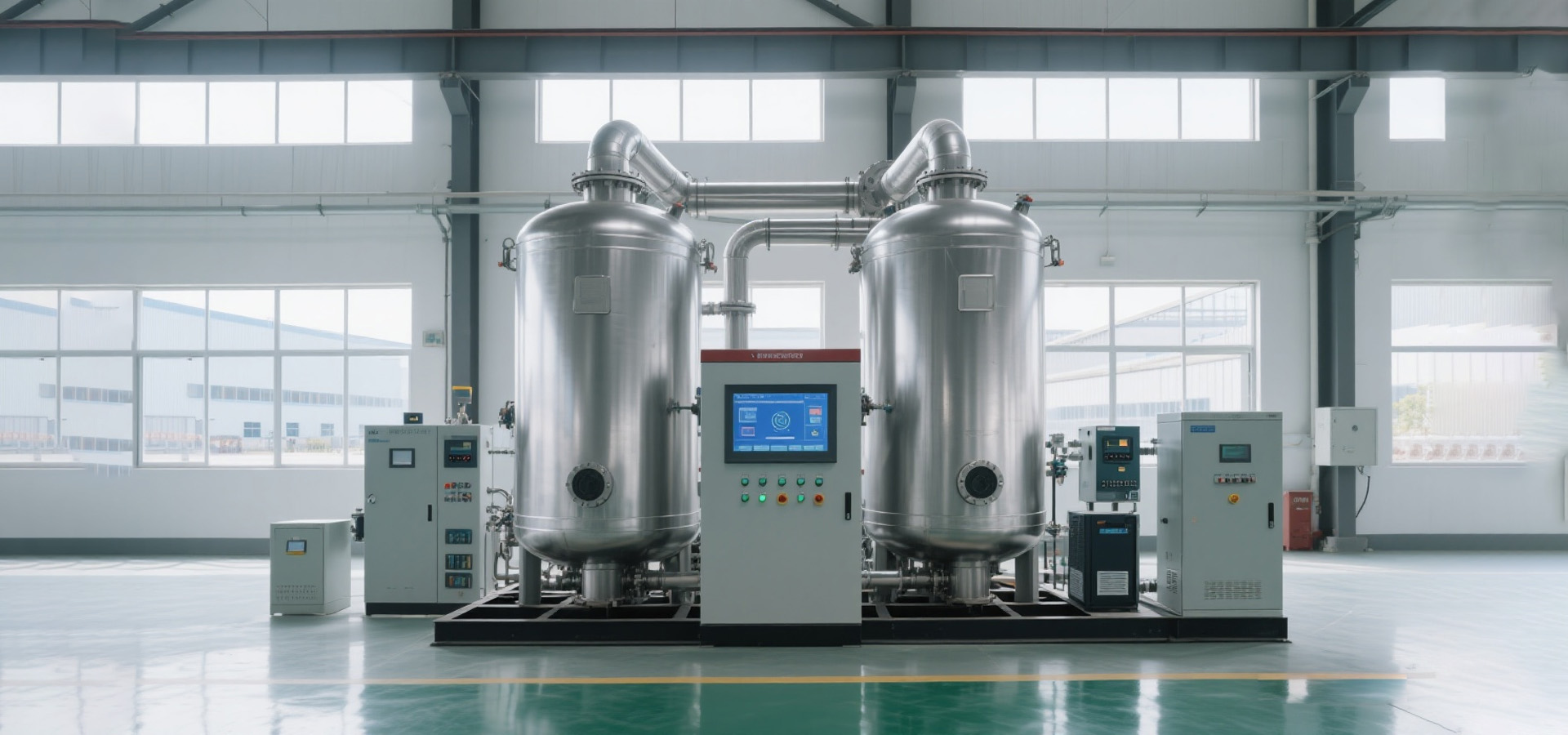
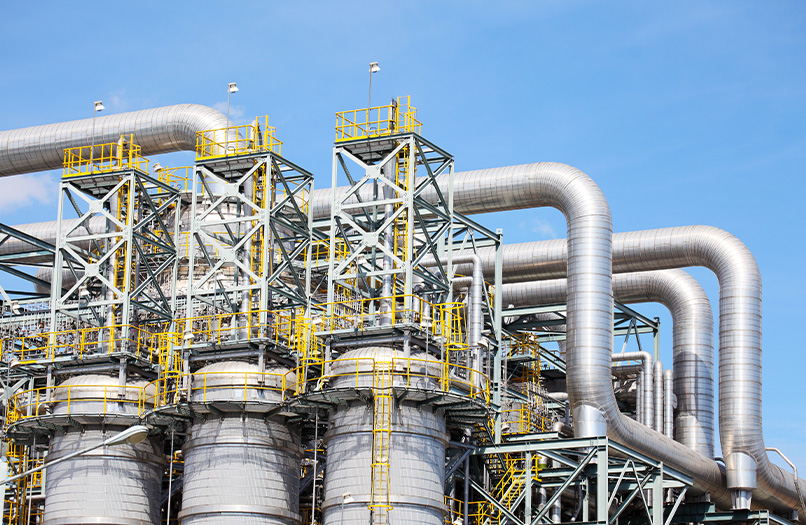
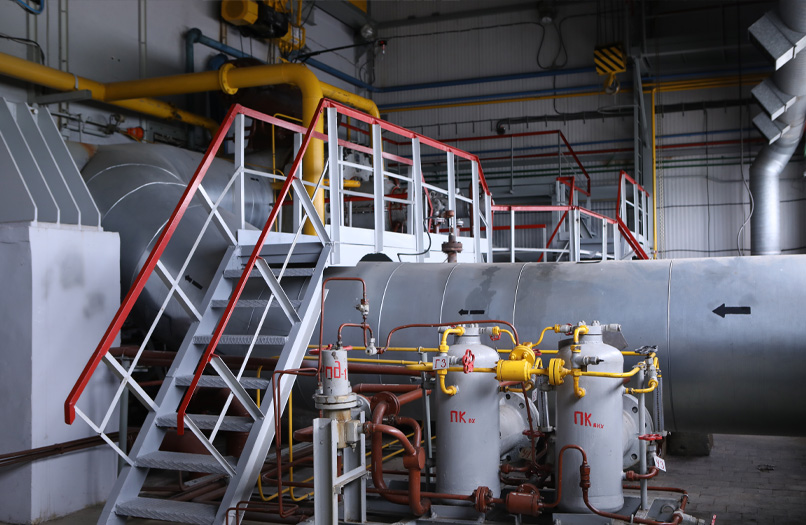
China, as the world's top steel producer, annually generates over800 billionm3of carbon-containing off-gasesfrom its steelmaking processes, includingblast furnace gas (20-25% CO), basic oxygen furnace gas (60-70% CO), andcoke oven gas 55-60% H2).C1 chemistry, which uses single-carbon compounds likeCO and CH4as feedstocks, relies heavily on thesyngas (CO + H2) route, accounting for over65% of the capacity in modern coal-to-chemicals industry.Purifying steel off-gases directly viaPSA or membrane separation technologies(CO≥98% and H2≥99.5%) for C1 chemical production can reduce raw material costs by 30-40% while increasing the value-added of the gases by2 to 3 times.


Throughsteel–chemical integration, by-product gases can be converted intomethanol (0.1–0.15 tons per ton of steel),ethylene glycol, and other chemical products, forming anindustrial symbiosis systembetween steelmaking and chemicals. Practical evidence shows that this model can reducecarbon emissions by 8-12% per ton of steelproduced, positioning it as a critical pathway for the steel industry to achieve itsDual Carbon Goals.

Core Advantages

Nitrogen-Rich CO Purification Innovation

Lirun Technology has developed a copper-loaded adsorbent (α ≥120) and a multi-bed PSA process that overcome the challenge of N2/CO separation. Even under gas streams containing 60–80% N2, the system can still achieve CO purity ≥99.5% at a cost of 1.5–2.0 RMB/Nm³, providing critical technical support for steel–chemical integration

Purification and Upgrading Solutions for BFG/BOFG

The company of lirun Technology has designed a “compression–deep purification–carbon capture–enrichment” full-process solution that ensures sulfur content ≤0.1 ppm and CO purity ≥99%. With an energy consumption of <2.8 GJ per ton of CO, this solution saves over 30% compared to traditional processes and reduces chemical production costs by 15–20%

Remarkable Environmental and Industrial Synergy Benefits

By utilizing CO resources (conversion rate >85%) and purifying gases (desulfurization ≥95%), Steel-Chemical Coproduction helps steel makers cut emissions by over 30% and achieve ultra-low emission standards. At the same time, it builds a steel–chemical symbiotic value chain, enhances risk resilience, reduces chemical raw material costs by 40%+, and accelerates the industry’s low-carbon transition

Significant Economic Benefits

By substituting coal-derived gas with steel plant gas (¥0.3-0.5 /Nm3), Steel-Chemical Coproduction cuts feedstock costs by more than 40% while effectively hedging against the risk of ±35% swings in coal prices. Industrial practice shows that this model can cut methanol production costs by 300–500 RMB per ton, offering a strong competitive edge

Application Areas