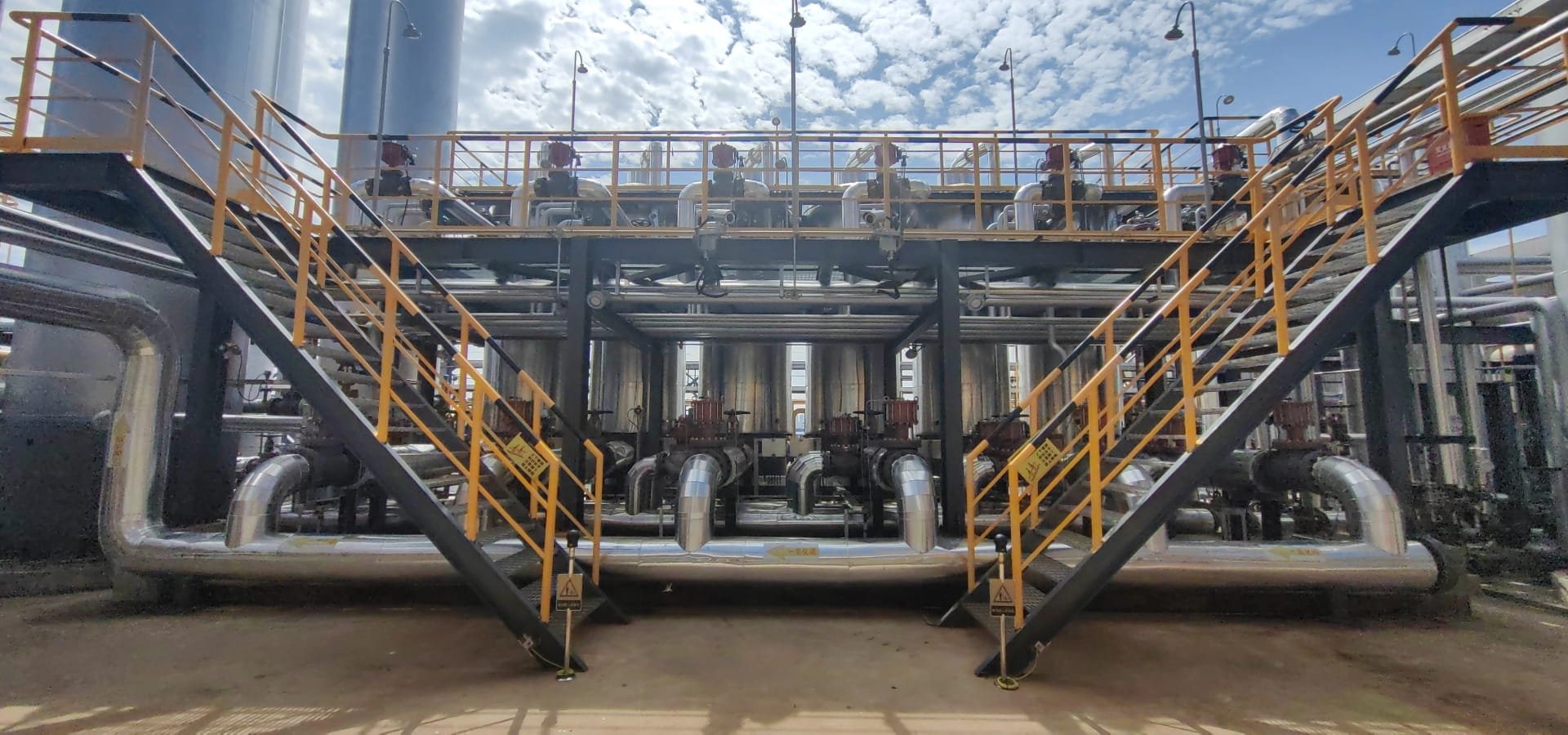
In modern integrated steel production systems, VPSA oxygen
generation technology is becoming one of the important solutions for
oxygen-enriched blast furnace smelting. Its advantages are mainly reflected in
three aspects:
1. The specific oxygen purity requirement of blast furnace operations (oxygen-enriched air rather than pure oxygen) can
be perfectly met through the intelligent blending of VPSA-produced oxygen with
air.
2. Compared with traditional cryogenic oxygen
generation, VPSA technology can reduce oxygen production costs.
3. With flexible start-stop capability and wide load adjustment capability,VPSA systems can effectively adapt to fluctuations in plant-wide oxygen demand, with the target of keeping the oxygen venting rate below 5%.
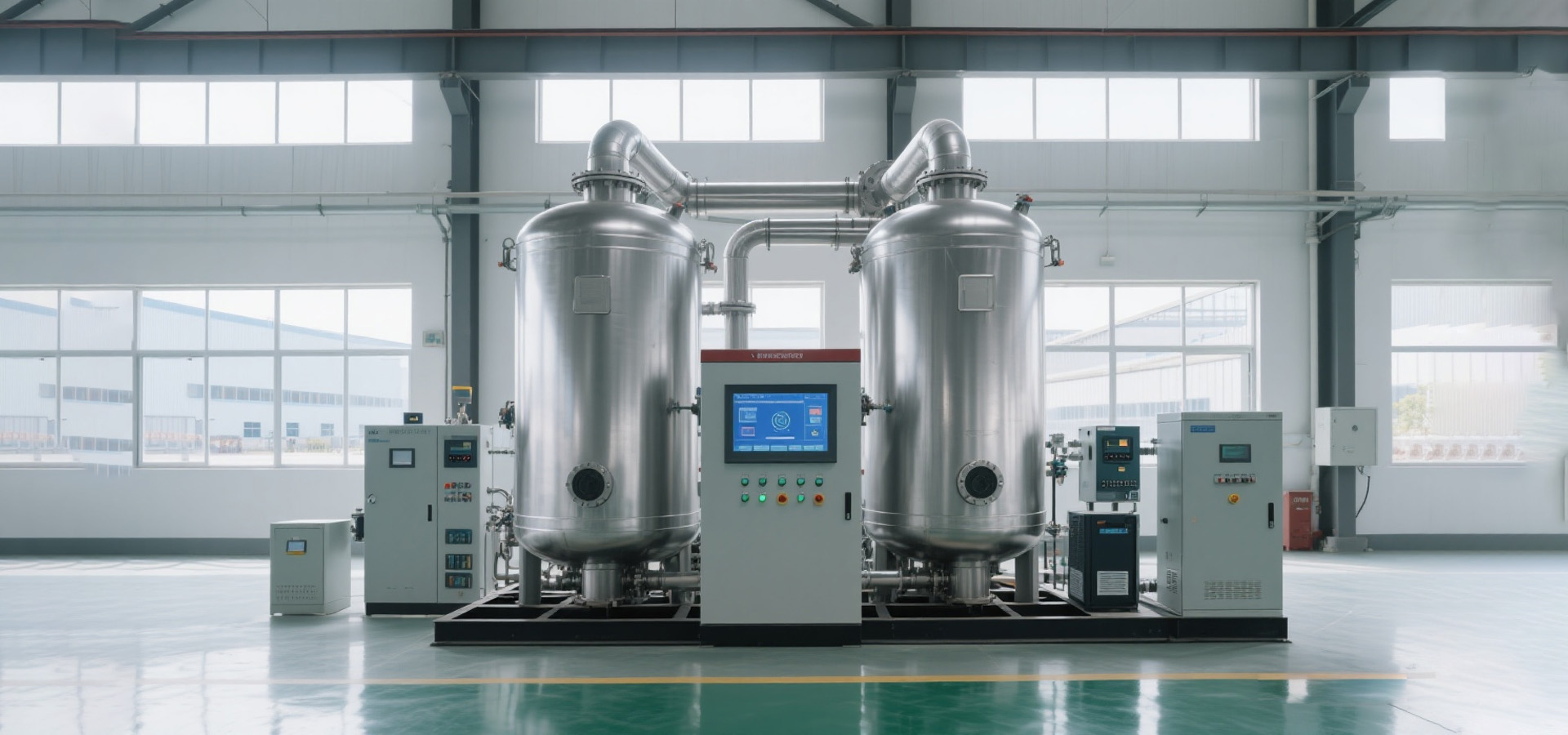
Leveraging its proprietary front-end oxygen mixing system and extensive engineering expertise, Lirun Technology has delivered customized oxygen-enrichment solutions for large-scale steel enterprises. A single system can supply 6,500 Nm³/h
of oxygen, effectively improving blast furnace productivity and reducing the fuel rate.