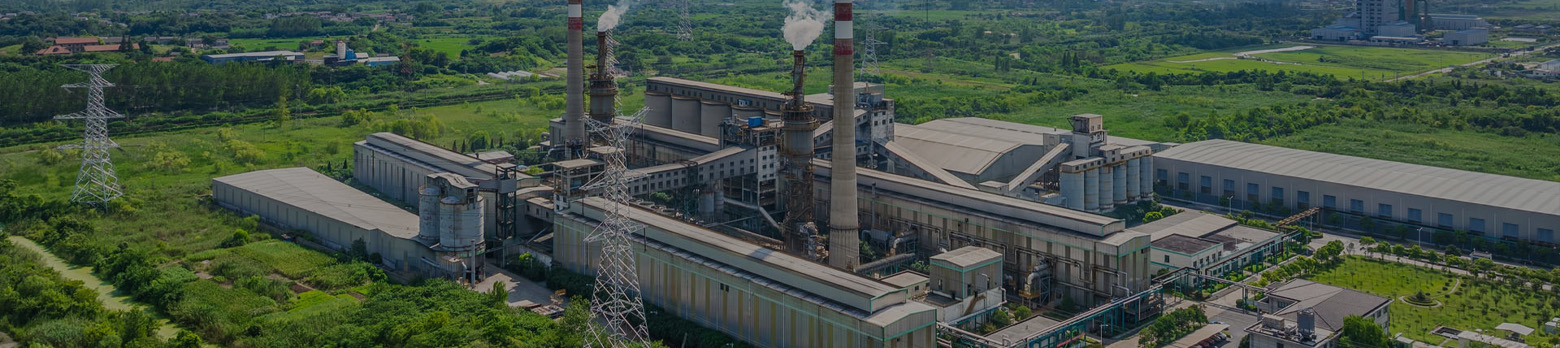
Steel Factory Exhaust Refined Desulfurization
Challenges Under
Emission Policies
With the implementation of ultra-low emission policies, the allowable concentrations of particulate matter, SO₂, and NOx must be reduced (≤35 mg/m³ for pelletizing and sintering, ≤50 mg/m³ for ironmaking/steelmaking/rolling).
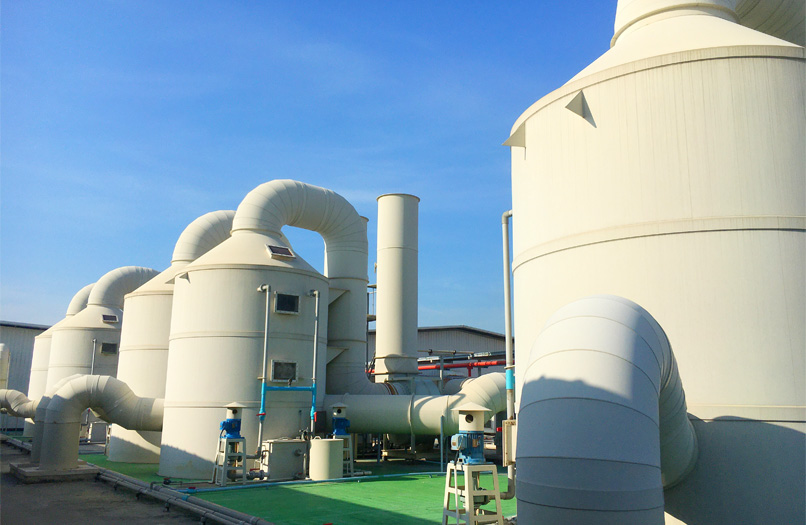
Traditional end-of-pipe desulfurization methods for blast furnace gas require installing desulfurization units at each individual gas consumption point (such as hot blast stoves and sintering), typically over a dozen points. This approach faces challenges:
· High investment cost (3–5 million RMB per unit)
· Large land occupation (total area exceeding 2000 m²)
· Difficult management (decentralized operation and maintenance)
Such issues conflict with the steel industry's demand for intensive and integrated development.
Blast Furnace Gas Deep Desulfurization Process
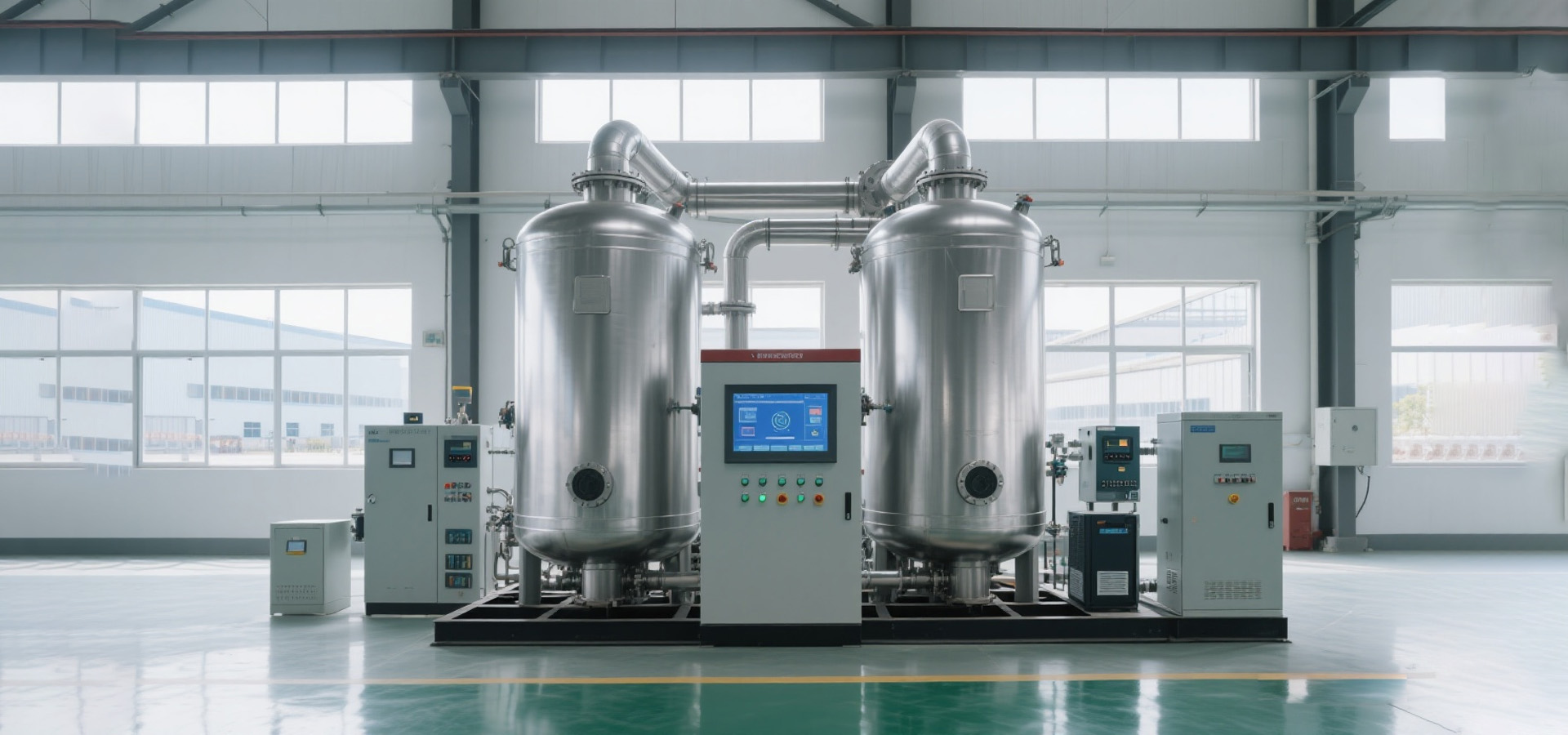
Considering the characteristics of blast furnace gas — large volume (≥200,000 Nm³/h) and high organic sulfur content (COS + CS₂> 80 %) — Lirun Technology proposes a three-stage purification process:“pre-treatment-catalytic hydrolysis-dry desulfurization”
· Pre-treatment Unit: Removes dust, chlorine, and other poisons
· Catalytic Hydrolysis Unit: Converts organic sulfur compounds (COS → H₂S)
· Dry Desulfurization Unit: Deep removal of H₂S (outlet concentration≤10 mg/m³)
Core Reaction Mechanisms
Catalytic Hydrolysis
COS + H₂O→H₂S + CO₂(conversion rate≥98%)
CS₂+ 2H₂O→2H₂S + CO₂
Dry Desulfurization
H₂S +½O₂→S + H₂O (sulfur capacity≥25%)
Challenges Under Emission Policies
With the implementation of ultra-low emission policies, the allowable concentrations of particulate matter, SO₂, and NOx must be reduced (≤35 mg/m³ for pelletizing and sintering, ≤50 mg/m³ for ironmaking/steelmaking/rolling).
Traditional end-of-pipe desulfurization methods for blast furnace gas require installing desulfurization units at each individual gas consumption point (such as hot blast stoves and sintering), typically over a dozen points. This approach faces challenges:
· High investment cost (3–5 million RMB per unit)
· Large land occupation (total area exceeding 2000 m²)
· Difficult management (decentralized operation and maintenance)
Such issues conflict with the steel industry's demand for intensive and integrated development.
Blast Furnace Gas Deep Desulfurization Process
Considering the characteristics of blast furnace gas — large volume (≥200,000 Nm³/h) and high organic sulfur content (COS + CS₂> 80 %) — Lirun Technology proposes a three-stage purification process:“pre-treatment-catalytic hydrolysis-dry desulfurization”
· Pre-treatment Unit: Removes dust, chlorine, and other poisons
· Catalytic Hydrolysis Unit: Converts organic sulfur compounds (COS → H₂S)
· Dry Desulfurization Unit: Deep removal of H₂S (outlet concentration≤10 mg/m³)
Core Reaction Mechanisms
Catalytic Hydrolysis
COS + H₂O→H₂S + CO₂(conversion rate≥98%)
CS₂+ 2H₂O→2H₂S + CO₂
Dry Desulfurization
H₂S +½O₂→S + H₂O (sulfur capacity≥25%)