Ammonia Cracking
Overview of Ammonia
Cracking Hydrogen Production Technology
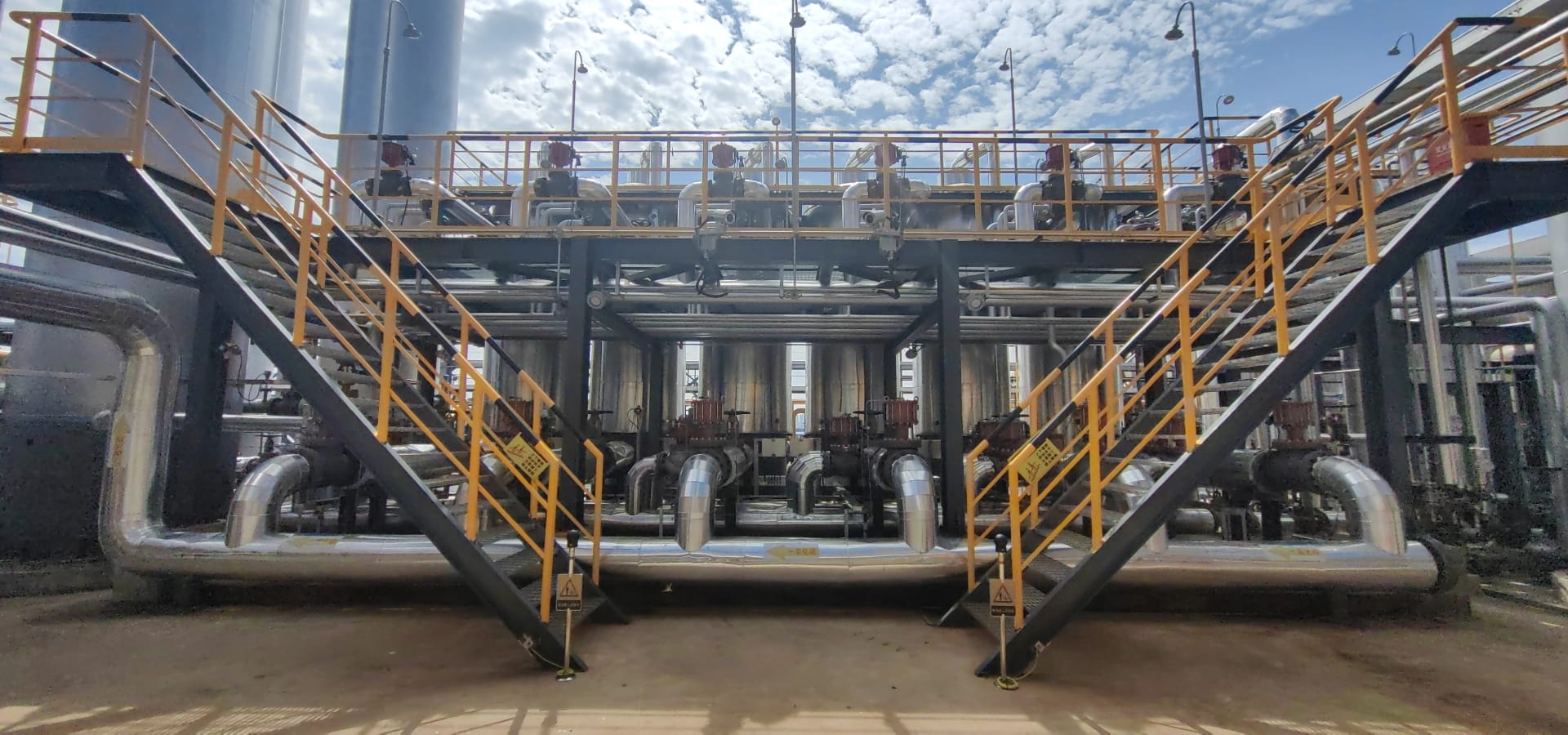
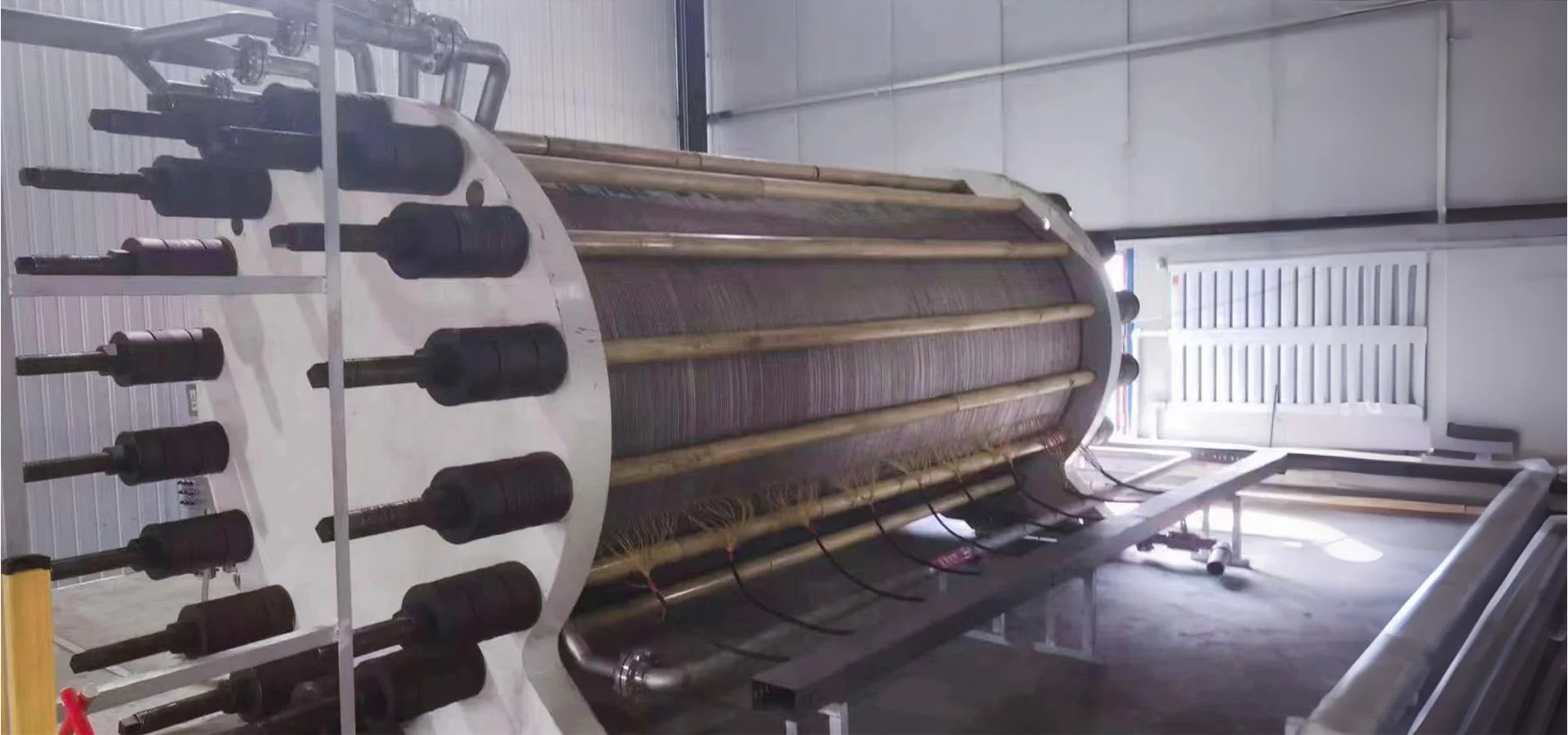
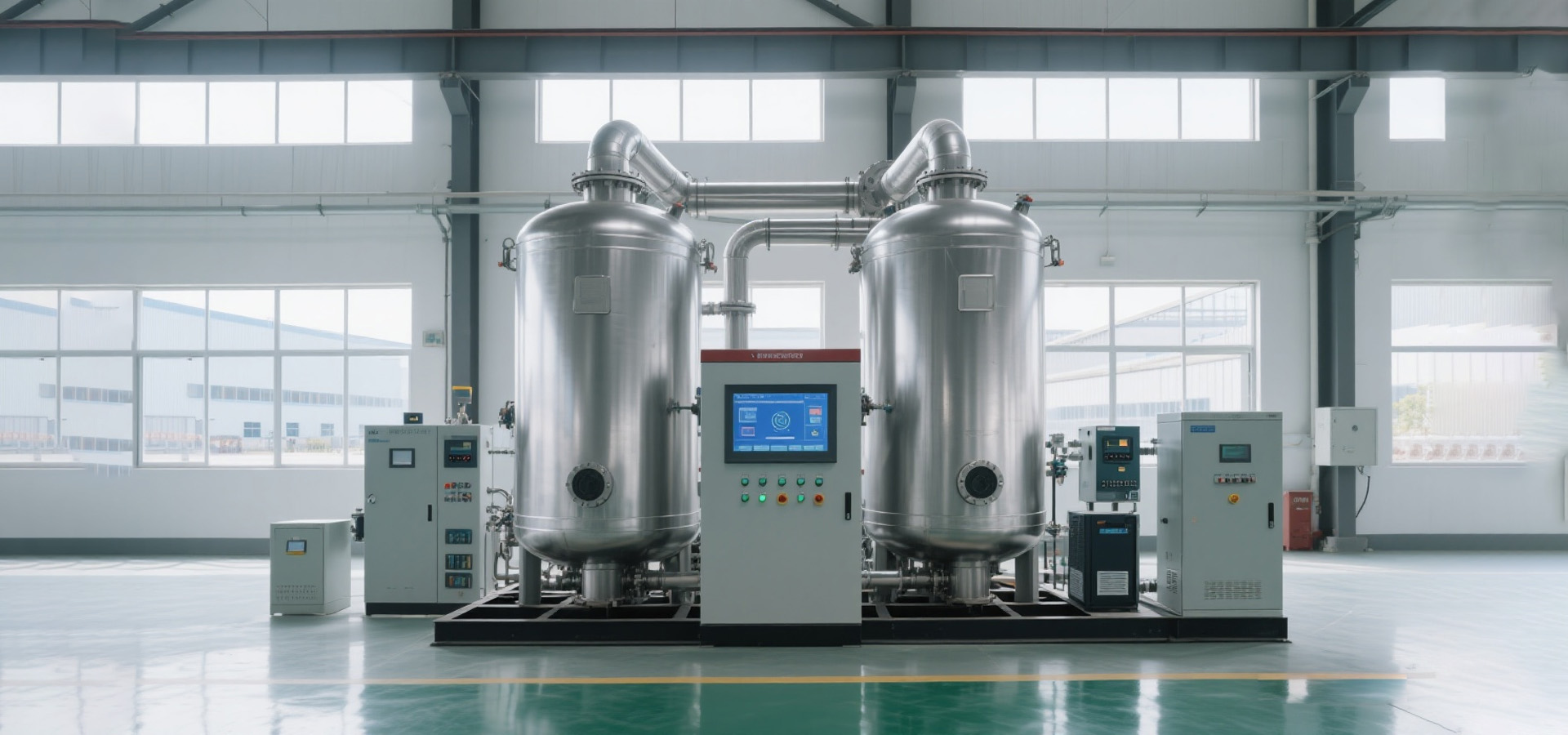
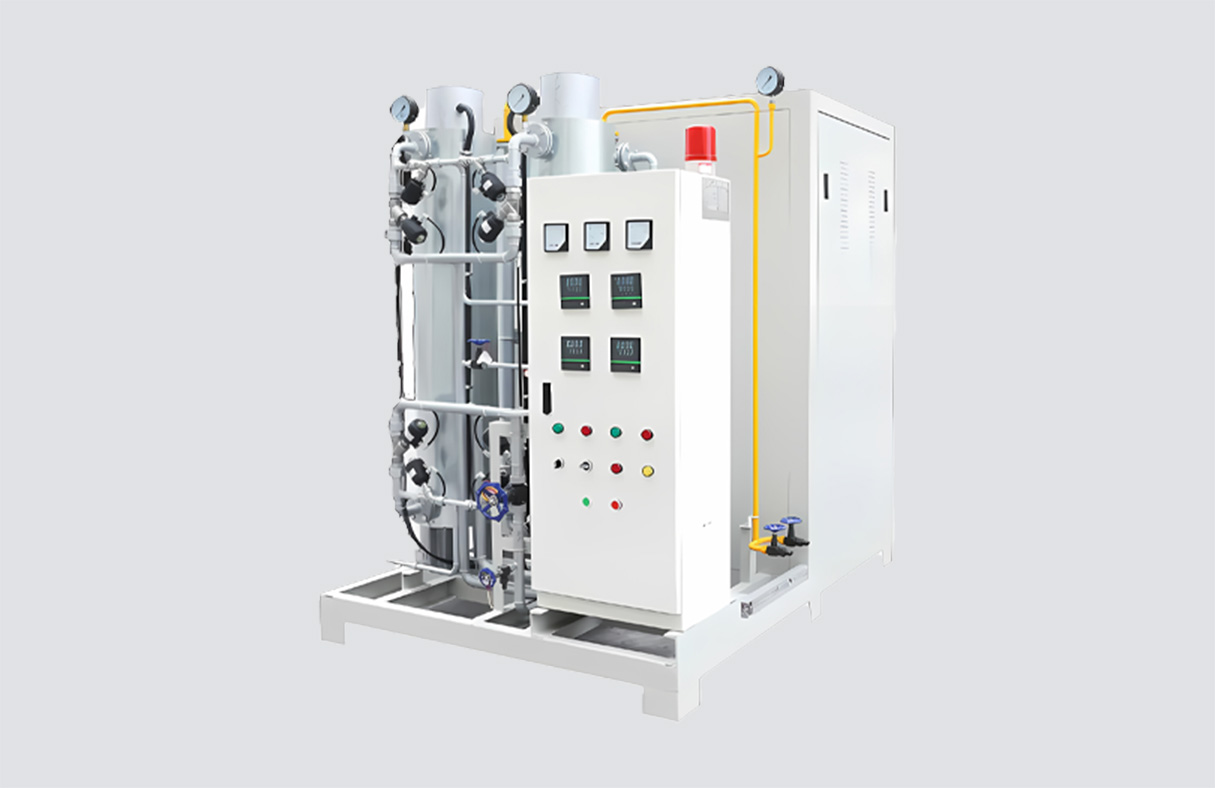
Ammonia cracking produces hydrogen through a catalytic decomposition process, in which liquid ammonia is decomposed at high temperature into a hydrogen-nitrogen mixture (H₂+ N₂). With an integrated purification system, the process can flexibly deliver either the mixed gas or high-purity hydrogen. The technology adopts a modular design, integrating key components such as evaporators, electric heating cracking furnaces, heat exchangers, and purification systems.
Reaction Principle
Under the action of a nickel-based catalyst, liquid ammonia undergoes thermal decomposition at 500–850 °C, producing a mixed gas with a standard composition of 75% H₂and 25% N₂.
Reaction equation:
2NH₃→3H₂+ N₂(ΔH = +92 kJ/mol)
Application Advantages
The resulting hydrogen-nitrogen mixture can be used as a protective atmosphere with the following features:
· Oxygen-free characteristics (O₂< 1 ppm)
· Reducing atmosphere
· Stable composition
It is used in semiconductor device manufacturing, special metallurgy processing, and other industrial and research fields that require a protective atmosphere.
Overview of Ammonia Cracking Hydrogen Production Technology
Ammonia cracking produces hydrogen through a catalytic decomposition process, in which liquid ammonia is decomposed at high temperature into a hydrogen-nitrogen mixture (H₂+ N₂). With an integrated purification system, the process can flexibly deliver either the mixed gas or high-purity hydrogen. The technology adopts a modular design, integrating key components such as evaporators, electric heating cracking furnaces, heat exchangers, and purification systems.
Reaction Principle
Under the action of a nickel-based catalyst, liquid ammonia undergoes thermal decomposition at 500–850 °C, producing a mixed gas with a standard composition of 75% H₂and 25% N₂.
Reaction equation:
2NH₃→3H₂+ N₂(ΔH = +92 kJ/mol)
Application Advantages
The resulting hydrogen-nitrogen mixture can be used as a protective atmosphere with the following features:
· Oxygen-free characteristics (O₂< 1 ppm)
· Reducing atmosphere
· Stable composition
It is used in semiconductor device manufacturing, special metallurgy processing, and other industrial and research fields that require a protective atmosphere.