Oxy-Fuel Combustion Technology

Application direction

Oxy-fuel combustion technology uses oxygen-enriched air with an oxygen concentration higher than that of ambient air as the combustion medium, achieving significant optimization of the combustion process.

This technology offers multiple advantages:

· Increases combustion efficiency by 15–25%

· Raises flame temperature by 200–300 °C

· Lowers fuel ignition points and accelerates combustion reactions, leading to energy savings

· Promotes complete fuel combustion, reducing flue gas emissions by 20–30%

· Improves thermal efficiency by 15–20%

· Controls the excess air ratio to below 1.1, effectively suppressing the formation of NOx and other pollutants (30–50% reduction)

· Creates favorable conditions for carbon capture

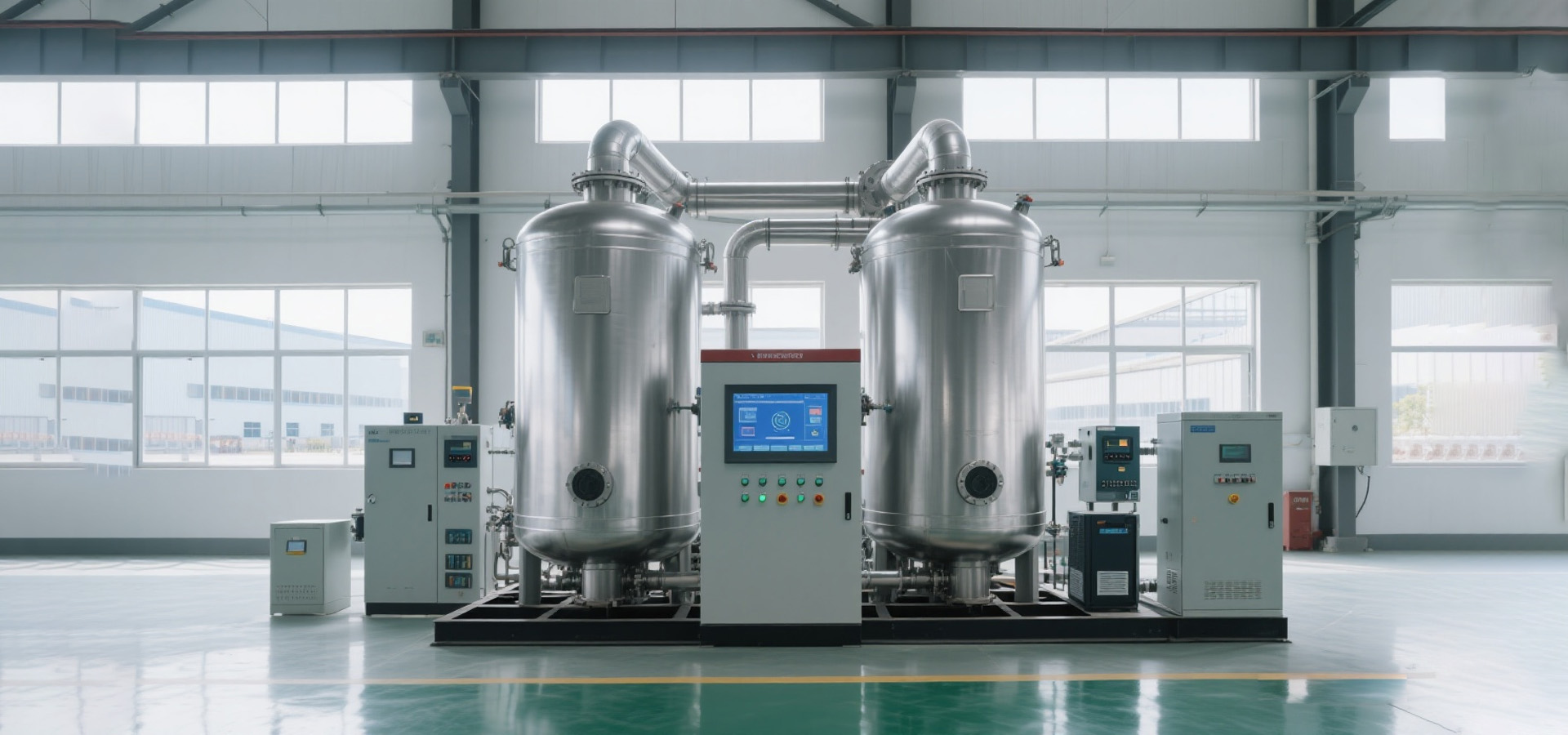
With advances in oxygen generation technology and declining oxygen production costs, oxy-fuel combustion has been widely applied in:

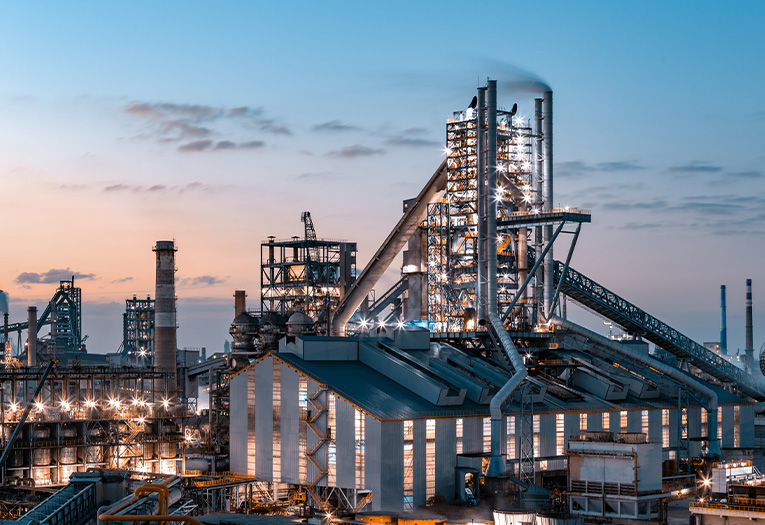
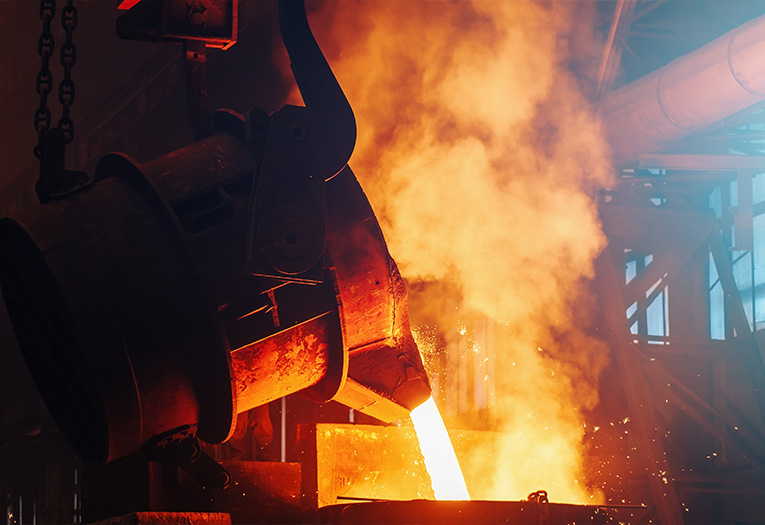
· Steelmaking (oxygen-enriched blast furnaces)

· Nonferrous metallurgy (copper, lead, and zinc smelting)

· Industrial furnaces (glass, ceramics)

· Thermal engineering (boiler systems)

· Environmental protection (hazardous waste treatment)

The technology demonstrates significant energy-saving and environmental protection benefits across these industries.

Technical Features

Outstanding Energy-Saving Performance

Oxy-fuel combustion improves thermal efficiency by 20–40%
In the glass industry, gas consumption is reduced by 20–40%
For every +1% increase in oxygen enrichment in blast furnaces:
·Combustion temperature rises by 40–50 °C
·Pulverized coal injection increases by 20–30 kg/t
·Hot metal output increases by 4%

Wide Industrial Applications

Metallurgy: blast furnaces, electric furnaces, nonferrous smelting
Building materials: glass and cement kilns
Energy: boilers, hot blast stove systems
Applied across 15+ industrial scenarios

Economic Advantages

Oxygen production cost: 0.3 kWh/Nm³
30–40% energy savings compared with cryogenic methods
A 10,000 Nm³/h unit saves ~15 million RMB annually

Intelligent Operating Features

Fully automated, unattended operation
Instant load adjustment from 50–100%
Rapid response to production demands
Maintenance costs reduced by 50%

Application Scenarios