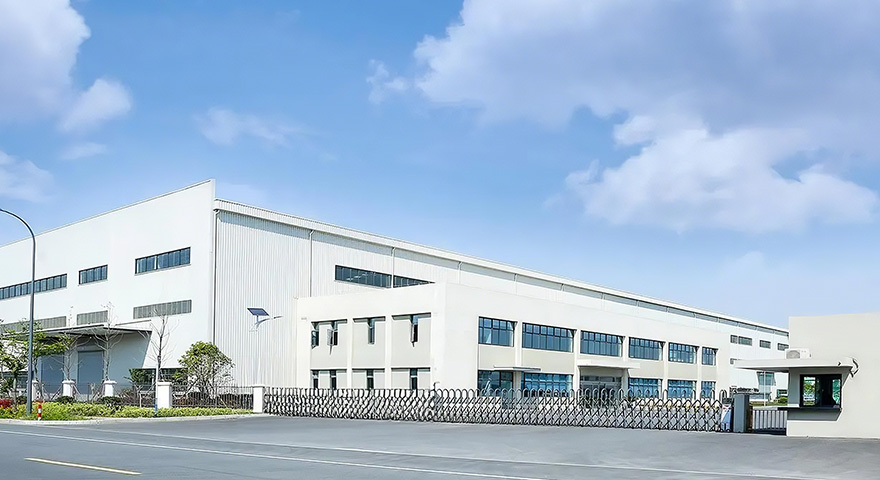
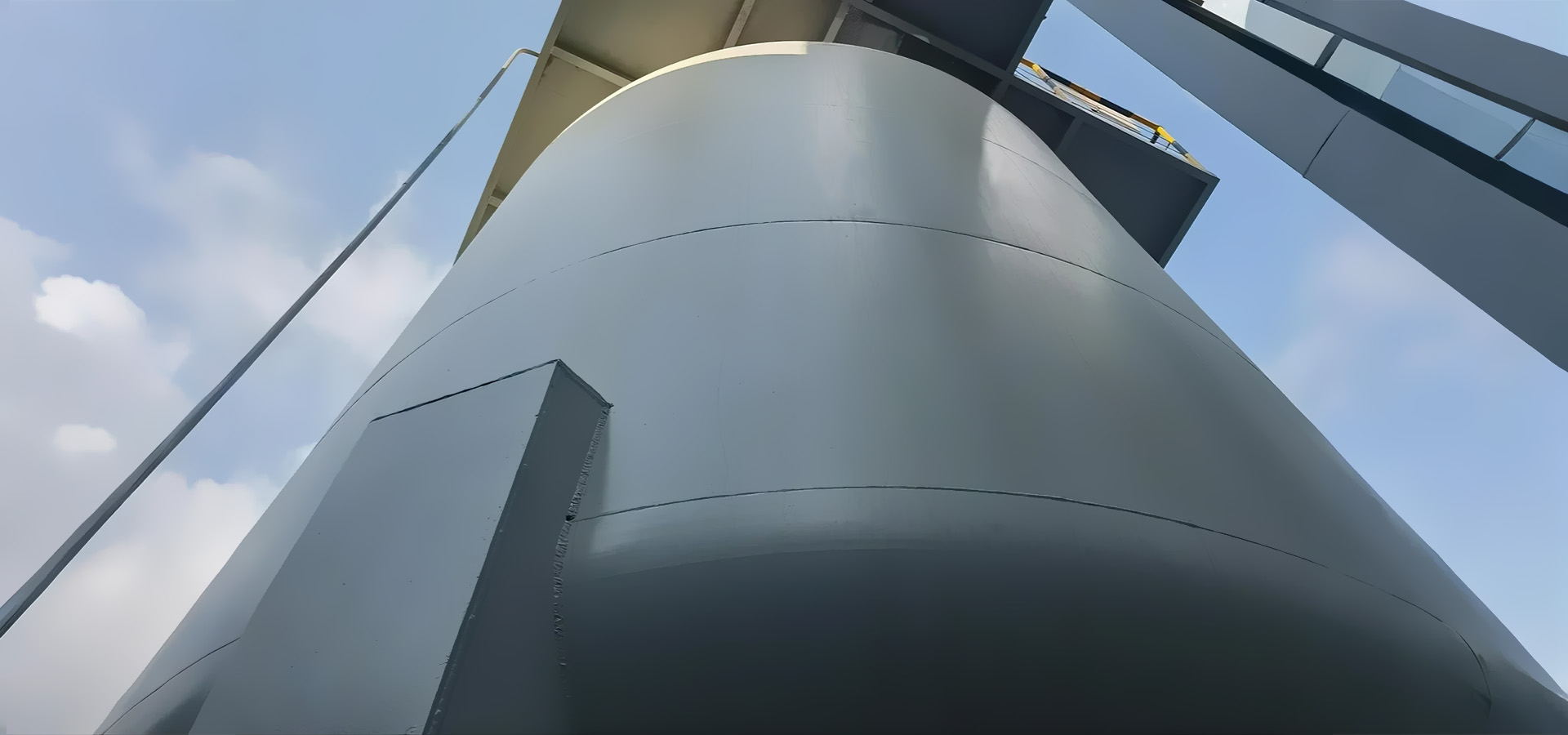
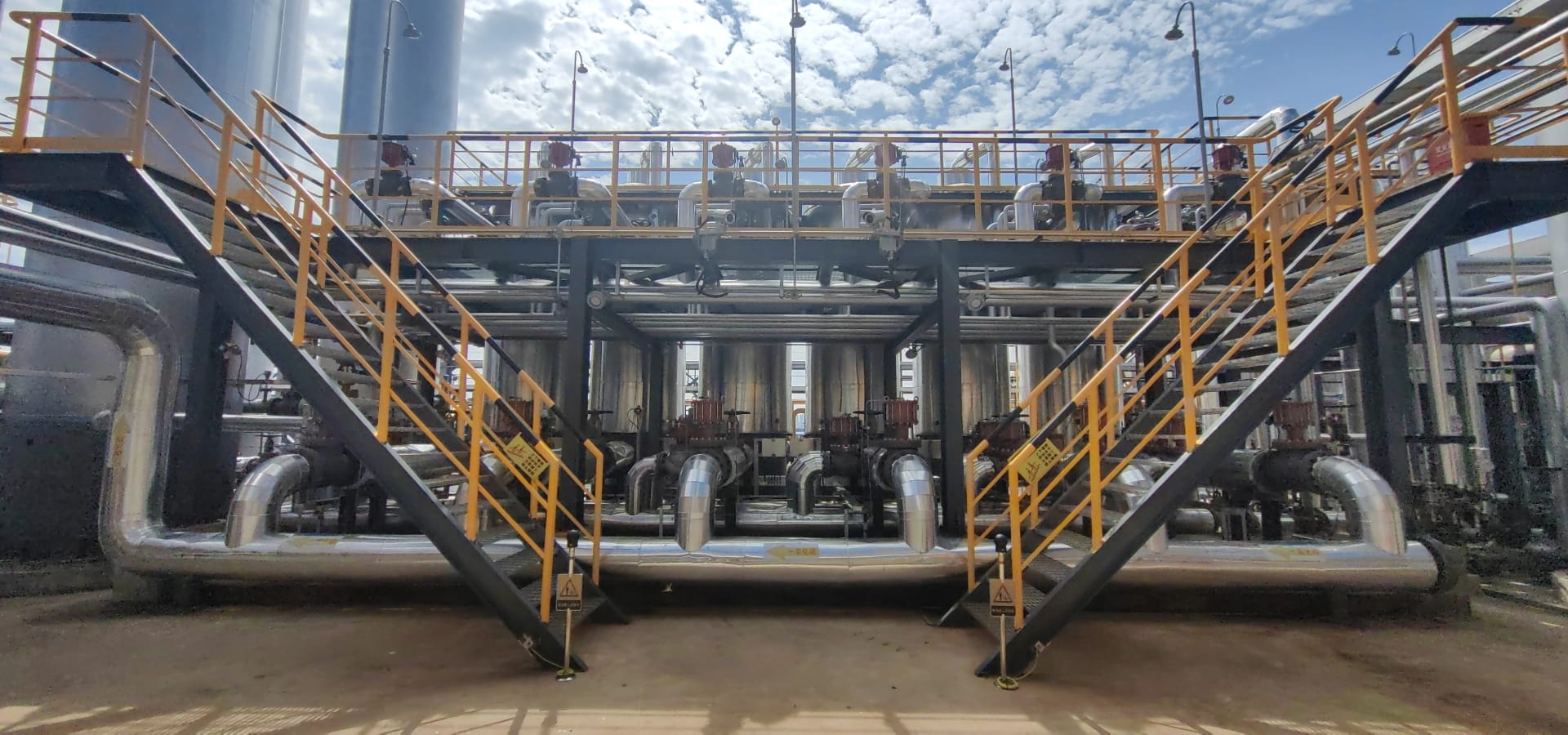
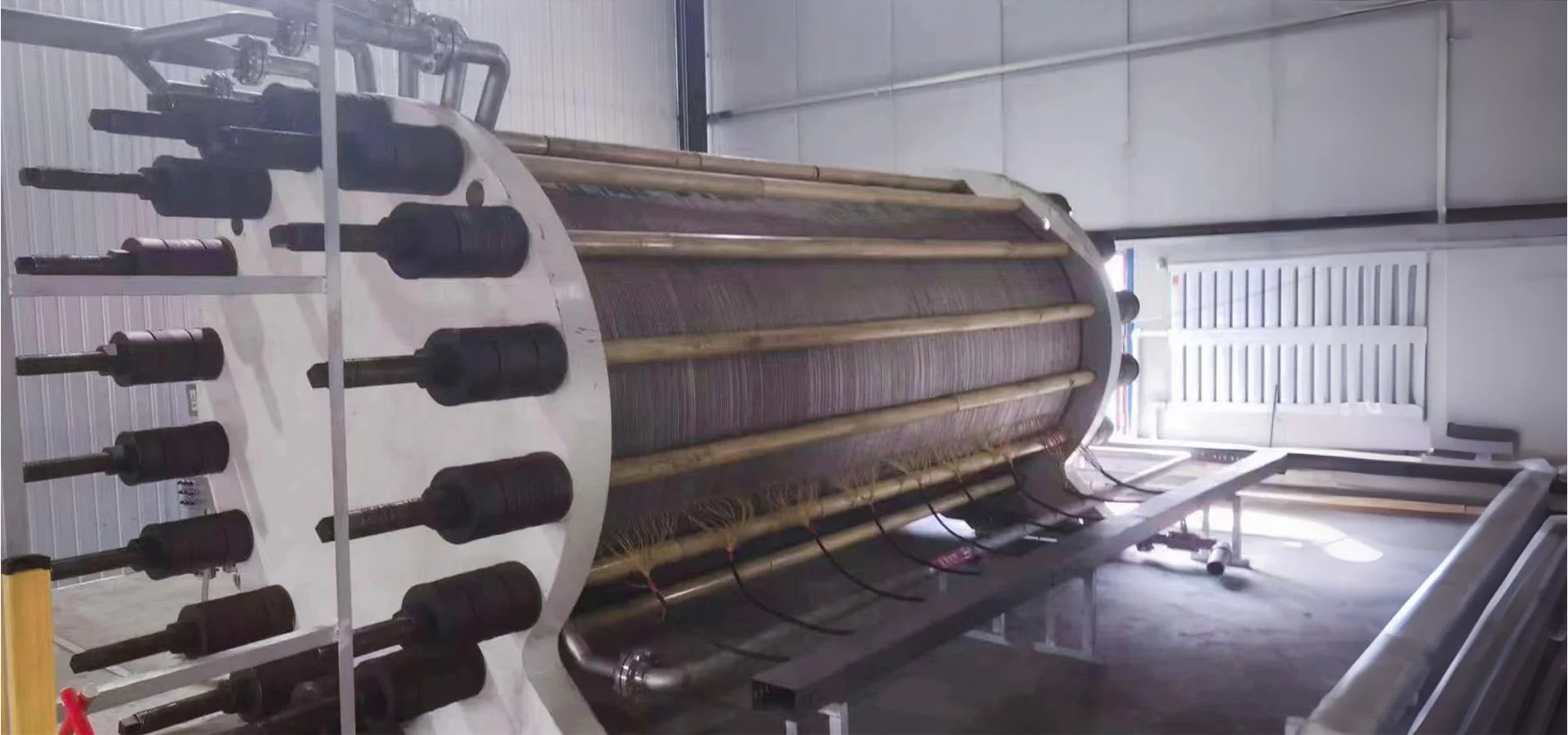
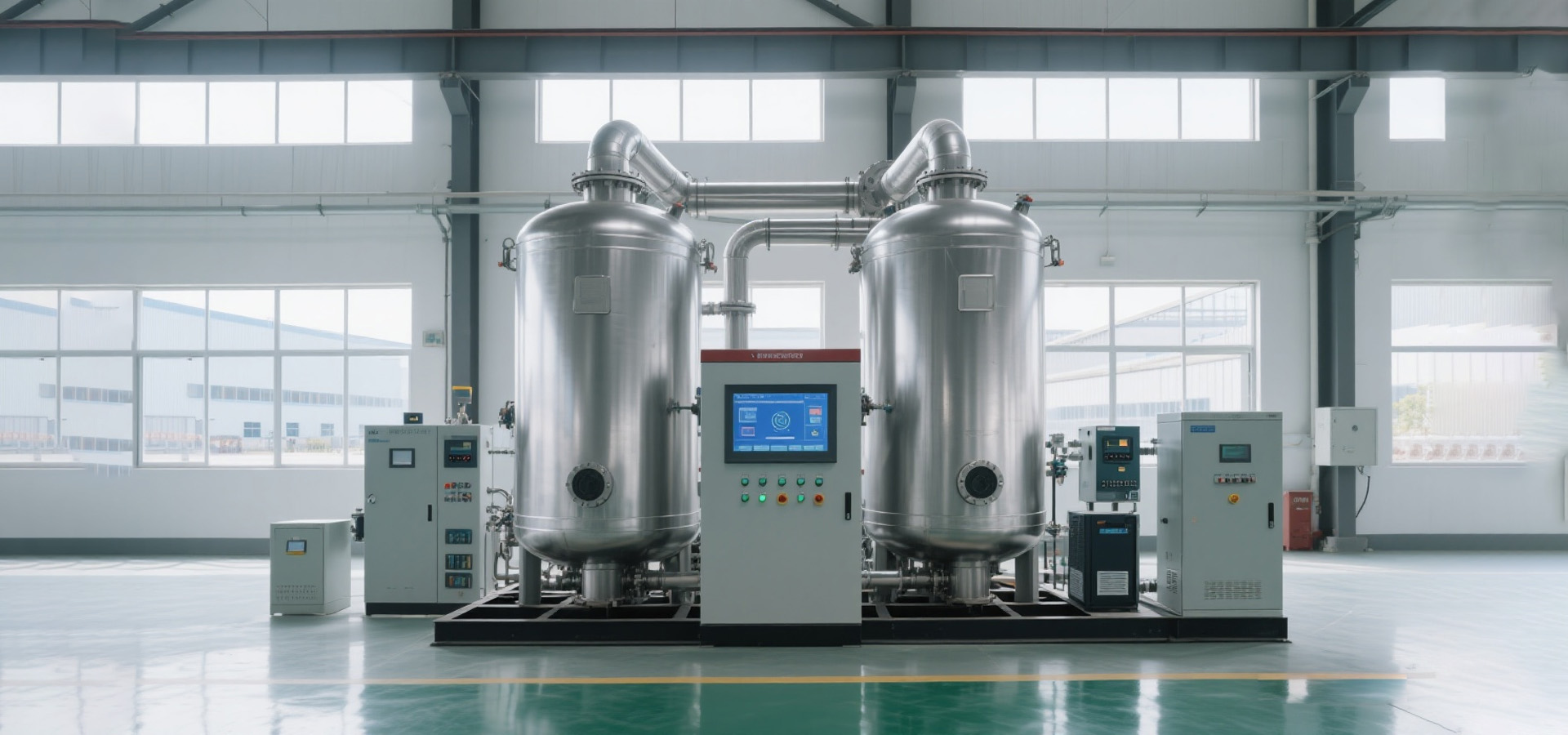
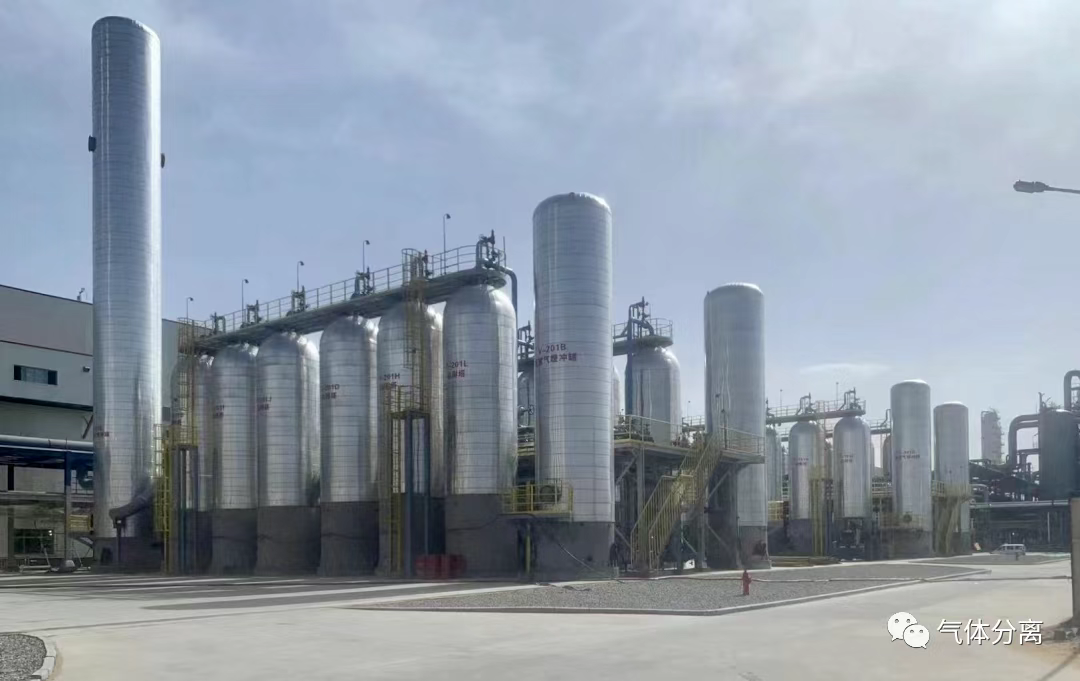
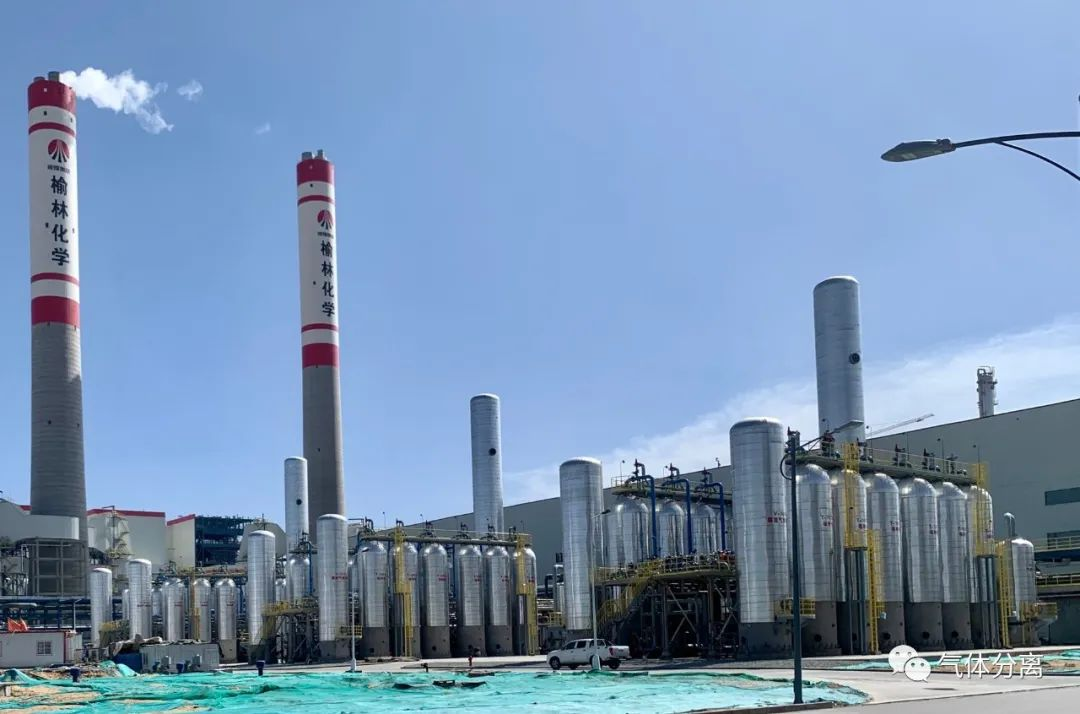
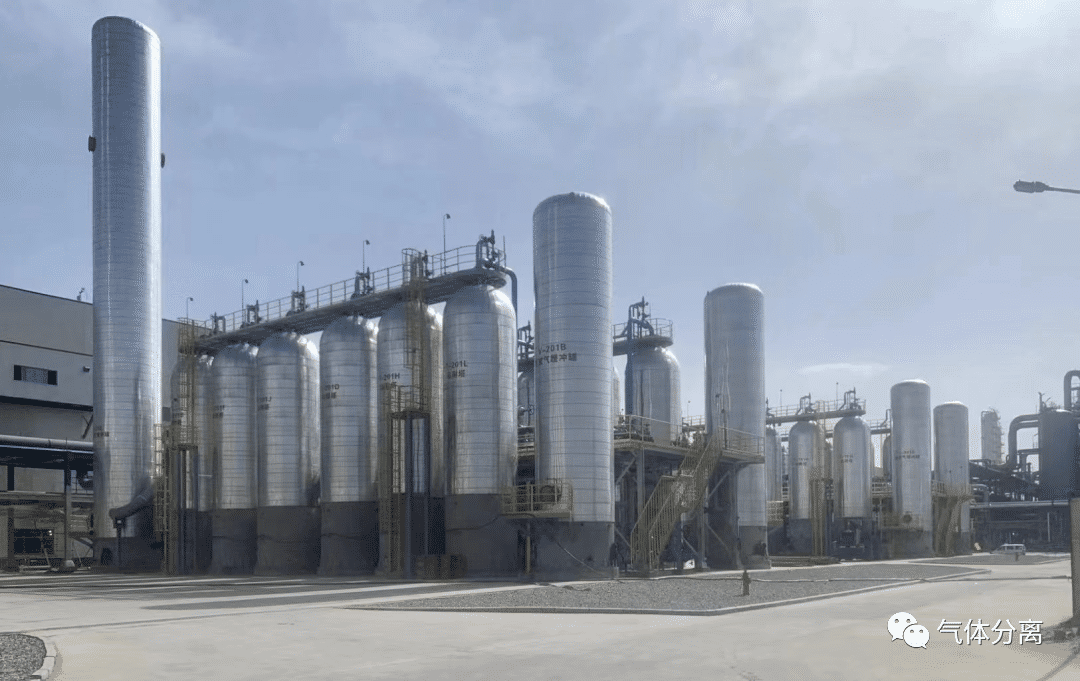
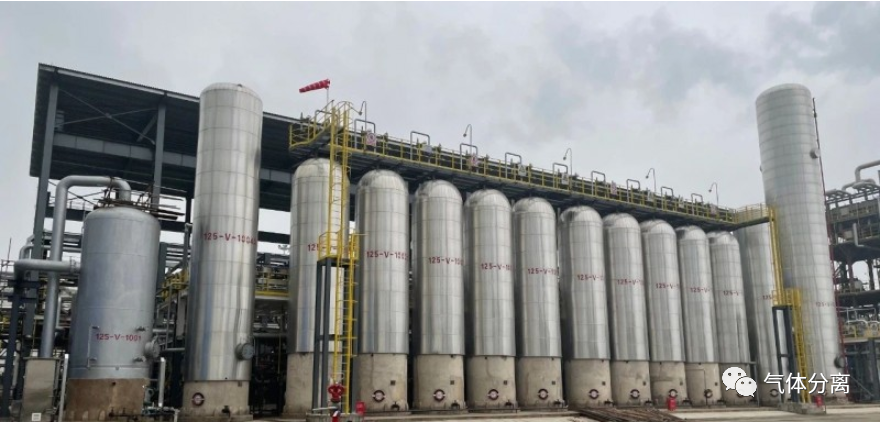
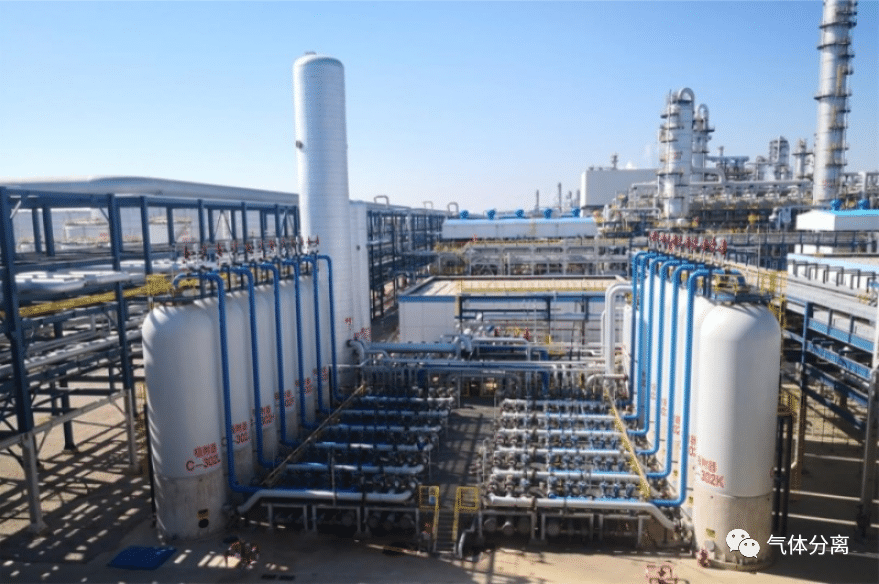
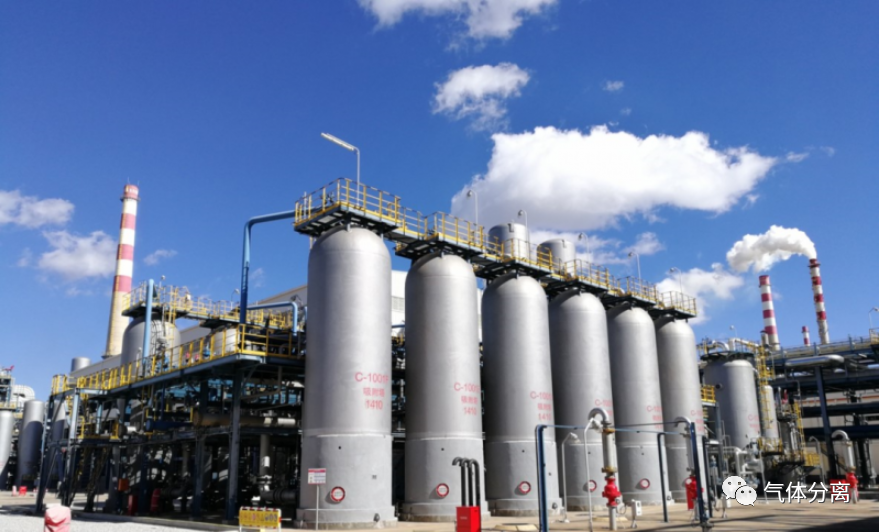
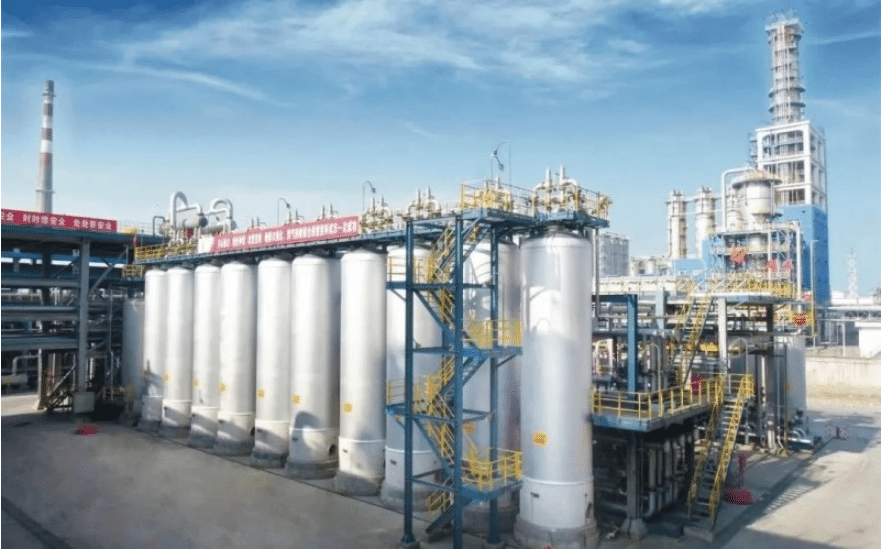
On March 26, 2022, the mega PSA hydrogen
unit supplied under an EP contract by Southwest Chemical Research and Design
Institute Co., Ltd. (SWCRI) for Shaanxi Coal Yulin Chemical’s 1.8 million tons/year ethylene glycol project (part of the
Coal-Based Chemical New Materials Demonstration Project) was the first unit to
be successfully handed over among all plant facilities.
As a large-scale hydrogen purification
process, PSA hydrogen production plays a vital role in modern refineries and
coal-to-chemicals complexes. With the rapid growth of China’s refining and coal chemical industries, hydrogen consumption scales
have been continuously expanding.
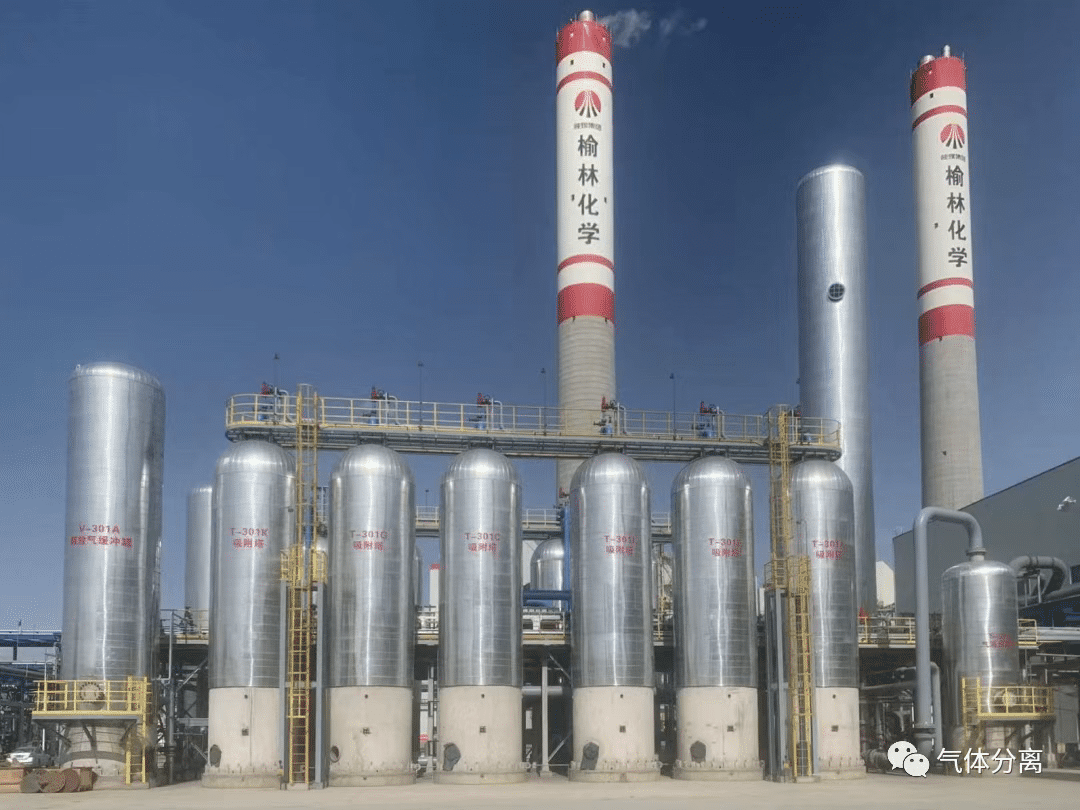
The Yulin Chemical ethylene glycol project,
part of Shaanxi Coal’s flagship demonstration
initiative, adopts coal-water slurry gasification technology. The process flow
includes gasification, shift conversion, Rectisol (low-temperature methanol
wash), PSA hydrogen separation, and cryogenic CO separation, ultimately
producing ethylene glycol. The supporting PSA hydrogen unit, developed with
SWCRI’s proprietary technology, full-process design,
and key equipment supply, is designed with a feed gas handling capacity of
570,000 Nm³/h and a hydrogen production capacity of
440,000 Nm³/h—making it the largest
coal-to-hydrogen PSA plant in the world once completed.
Project Milestones
May 21, 2019–SWCRI announced as successful bidder.
August 8, 2019–EP
project team established.
June 5, 2020–All
detailed engineering designs completed on schedule.
July 11, 2020–First major lift completed, entering equipment installation phase.
March 26, 2022–Unit successfully handed over.
During project execution, SWCRI overcame
pandemic-related challenges, ensuring on-time equipment delivery, deploying
senior technical experts to support the owner and contractors, and resolving
installation issues on site—achieving an early and
high-standard handover.
Historically, SWCRI has provided full
substitution and surpassing of foreign PSA technologies across numerous major
refining and coal chemical projects, including CNPC, Sinopec, CNOOC, Sinochem
Quanzhou, Hengyi Brunei, Shenhua Ordos Direct Liquefaction, Shenhua Ningxia
CTL, and Shaanxi Coal Group, thereby offering critical technical support for China’s 10-million-ton refinery complexes and million-ton coal chemical
projects.
In May 2021, SWCRI announced winning the Yulong
Island 20-million-ton refining & chemical integration project (Phase I),
covering six large PSA units (hydrogen from methanol reforming, coal-based
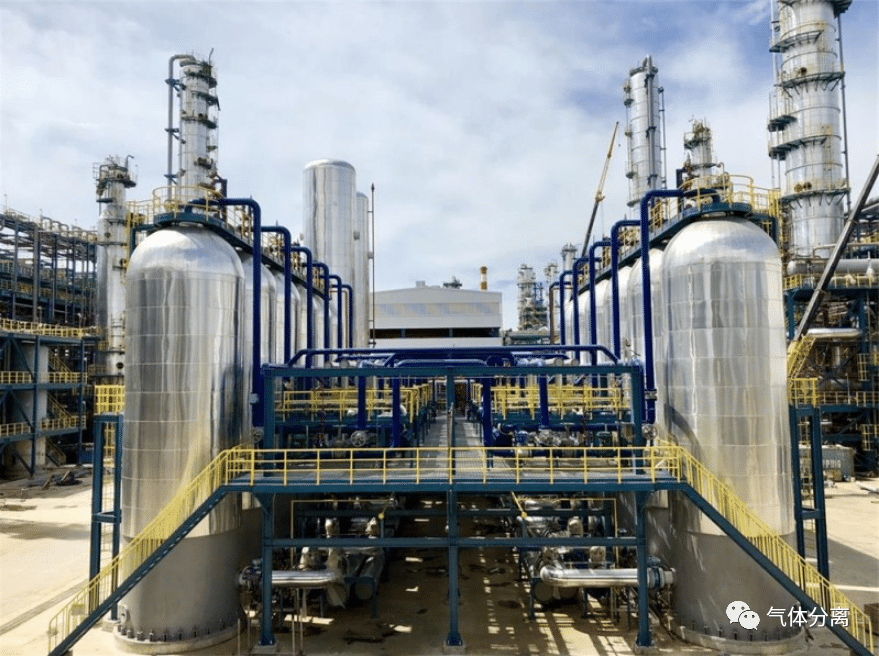
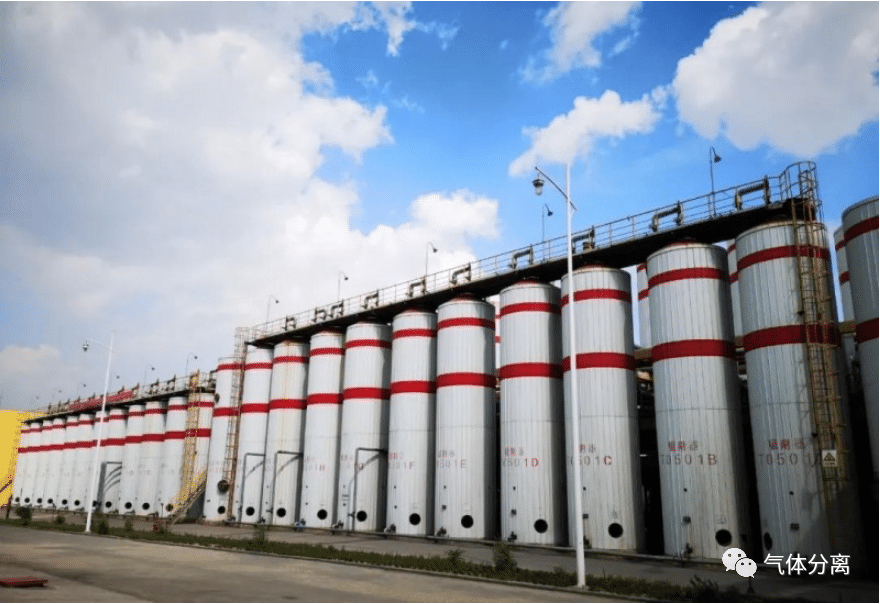
syngas, etc.) with a total hydrogen production capacity of 850,000 Nm³/h. In January 2022, SWCRI won the EP contract for the residue
hydrogen PSA unit at the same project (capacity 130,000 Nm³/h, design pressure 5.8 MPa), raising the Yulong Island Phase I
total PSA hydrogen output to 980,000 Nm³/h—a new record for mega PSA projects in world-scale refineries.
This achievement has set a new record for Southwest Institute in terms
of total hydrogen production capacity from mega-scale PSA units within
ten-million-ton oil refining projects.
It is worth mentioning that as early as
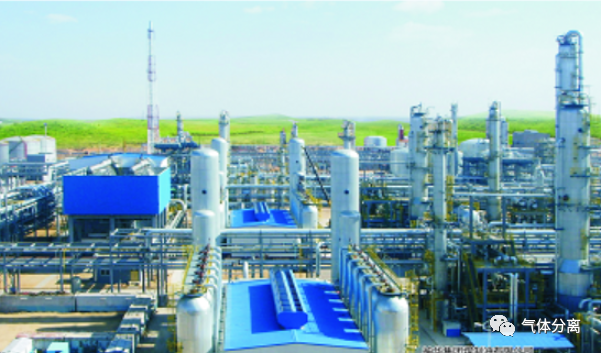
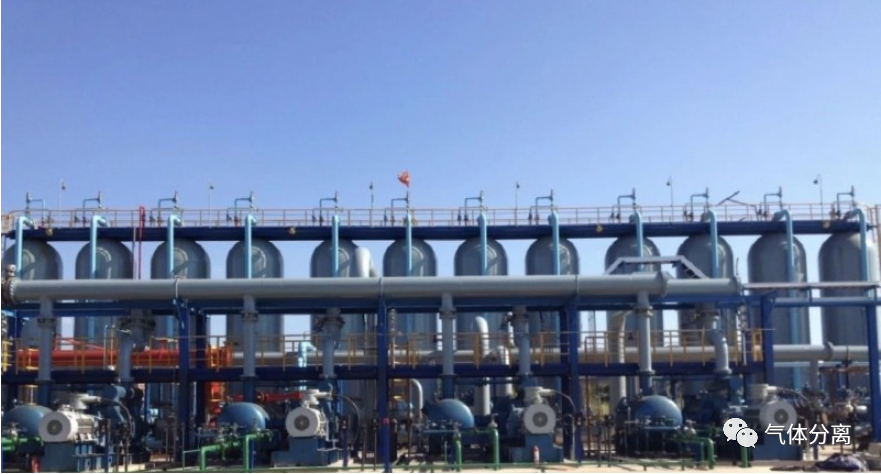
2012, Southwest Institute was contracted by Baling Petrochemical to EPC a 70,000
Nm3/h VPSA hydrogen recovery unit using decarbonized purified gas
from Rectisol as feed gas. The unit was successfully started up in 2014 with a hydrogen
recovery rate ≥96% and has been operating stably for nearly 8 years.
The long-term stable operation of the unit has brought significant
economic benefits to the enterprise. Last year, Southwest Institute won another
contract from Baling Petrochemical for the PSA & TSA units within the
Caprolactam Industrial Chain Relocation and Upgrade Transformation Project,
with designed hydrogen production capacities of 100,000 Nm3/h and
12,957 Nm3/h respectively, at an operating pressure of 5.1 MPa.
After comprehensive consideration of product hydrogen specifications, Southwest
Institute's patented technologies —"PSA Process with Two
Equalization Tanks" and“high-efficiency gas
separation PSA method”, ensuring both efficiency and
reliability. The long-term stable operation of these PSA systems will continue
to deliver significant economic and environmental benefits, reinforcing SWCRI’s leadership in large-scale PSA hydrogen technology.